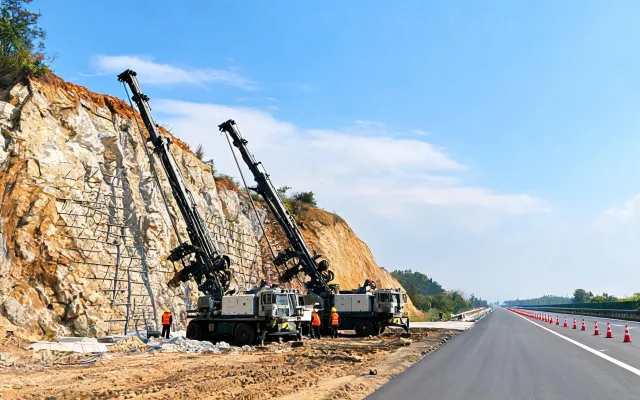
Highway Build
Anchor drills and rotary drilling equipment stabilize slopes while production blasting windows stay short on live corridors.
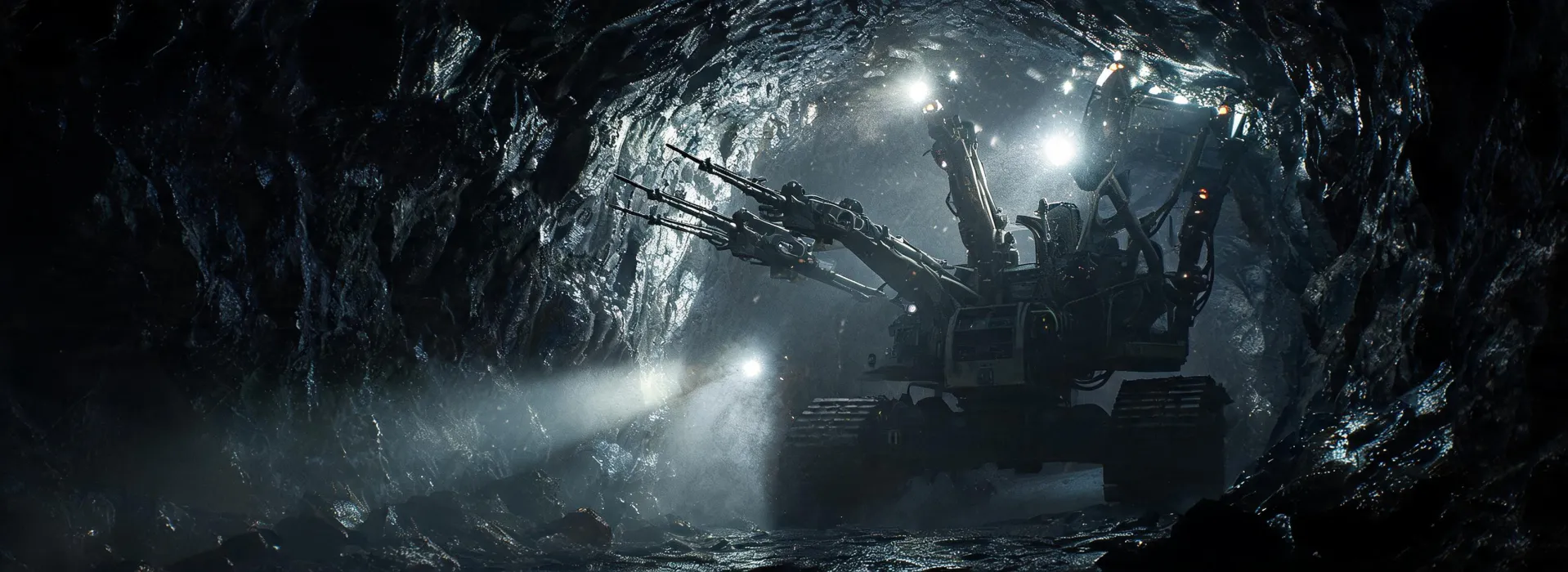
Photo-led coverage of the excavation environments that write hole diameter, rock UCS and shift length into the purchase order.
Anchor drills and rotary drilling equipment stabilize slopes while production blasting windows stay short on live corridors.
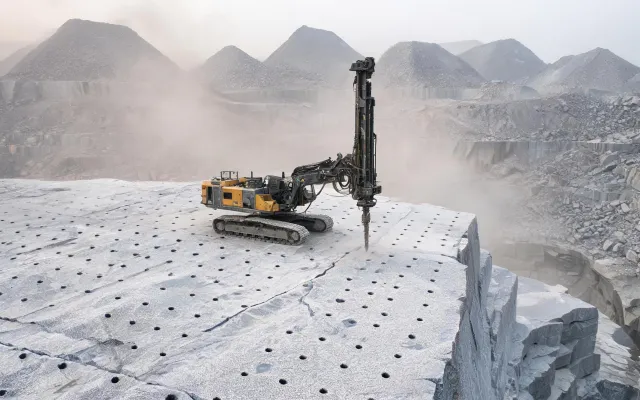
Surface drill rigs hold penetration rates across abrasive benches so crushers are never starved for shot rock.
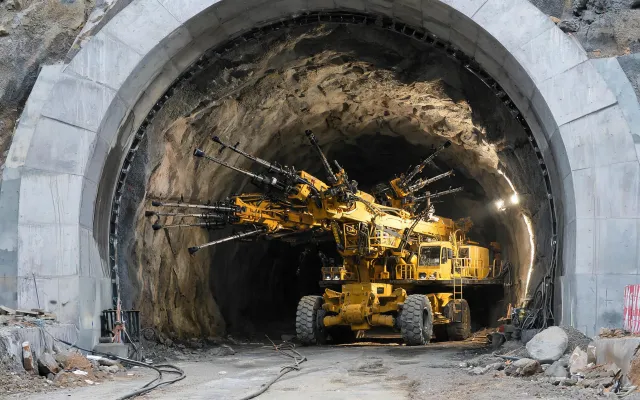
Face jumbos and probe drilling packages keep portal advances on the critical path through mixed ground.
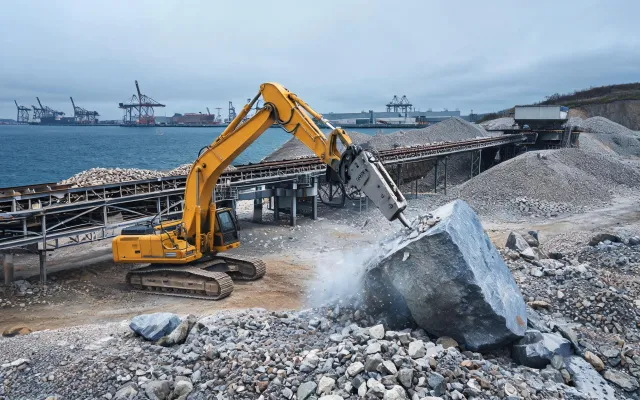
Hydraulic breakers reduce oversize rock that would jam ship-loaders and reclaim tunnels.
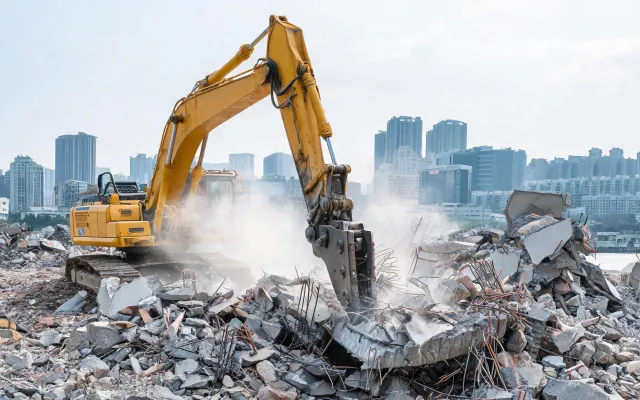
Quiet-shift breaker packages meet city noise windows without abandoning production on reinforced concrete.
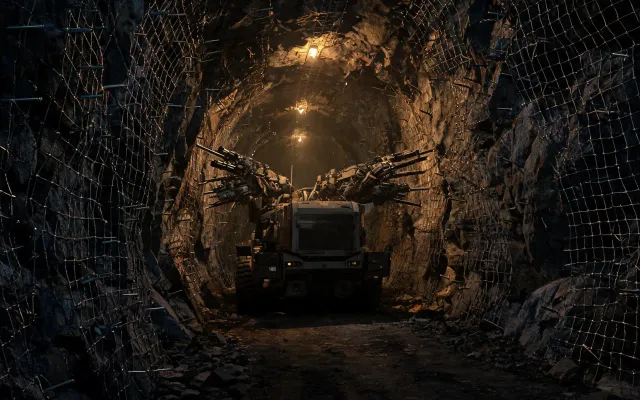
Development jumbos and rock drills deliver round after round with ATEX-ready lighting and electric trolley options.
Industry disputes that matter for drilling fleets — recorded as selection factors, not marketing slogans.
Side A — Top-hammer: Favors 45–127 mm blast holes on abrasive granite when crews need 180–420 drilled meters per 10-hour shift and frequent pattern changes. Lower compressor capital, higher rod-handling labor.
Side B — DTH / rotary: Favors straighter deep holes when UCS exceeds ~180 MPa or deviation rework has already delayed crusher feed. Higher air demand (often 18–28 m³/min at 10–14 bar) traded for hole quality.
Side A — Crawler: Lower ground pressure and stable feed towers on soft spoil or steep quarry access — the default when a lowboy already moves the fleet between pads.
Side B — Wheeled / truck-mounted: Cuts trailer cost when highway anchors and urban niches change weekly; requires stricter leveling before collaring and may raise ground pressure above 70 kPa on soft fill.
Medium granite UCS ~120–160 MPa, 89–102 mm holes, surface drill with T45 rods. Supervisors tracked 220–360 m/shift after flush-air audits; bit life varied with silica content, so consumable riders were written into the frame agreement.
Face rounds to 5.2 m with jumbo rock drills, ATEX lighting where the zone assessment required it, and electric trolley options to cut ventilation load. Seal kits planned every 800–1,200 percussion hours based on flush quality samples.
Excavator hydraulic breakers with quiet-shift kits logged vibration for city permits. Carrier oil-flow match sheets prevented overheating on reinforced concrete; chisel staging kept MTTR inside one shift for tooling failures.
Tell us whether the next campaign is quarry, underground or civil — we will map hole diameter and rock class to a shortlist.
Request Industry Match